Regenerative Injection Therapy
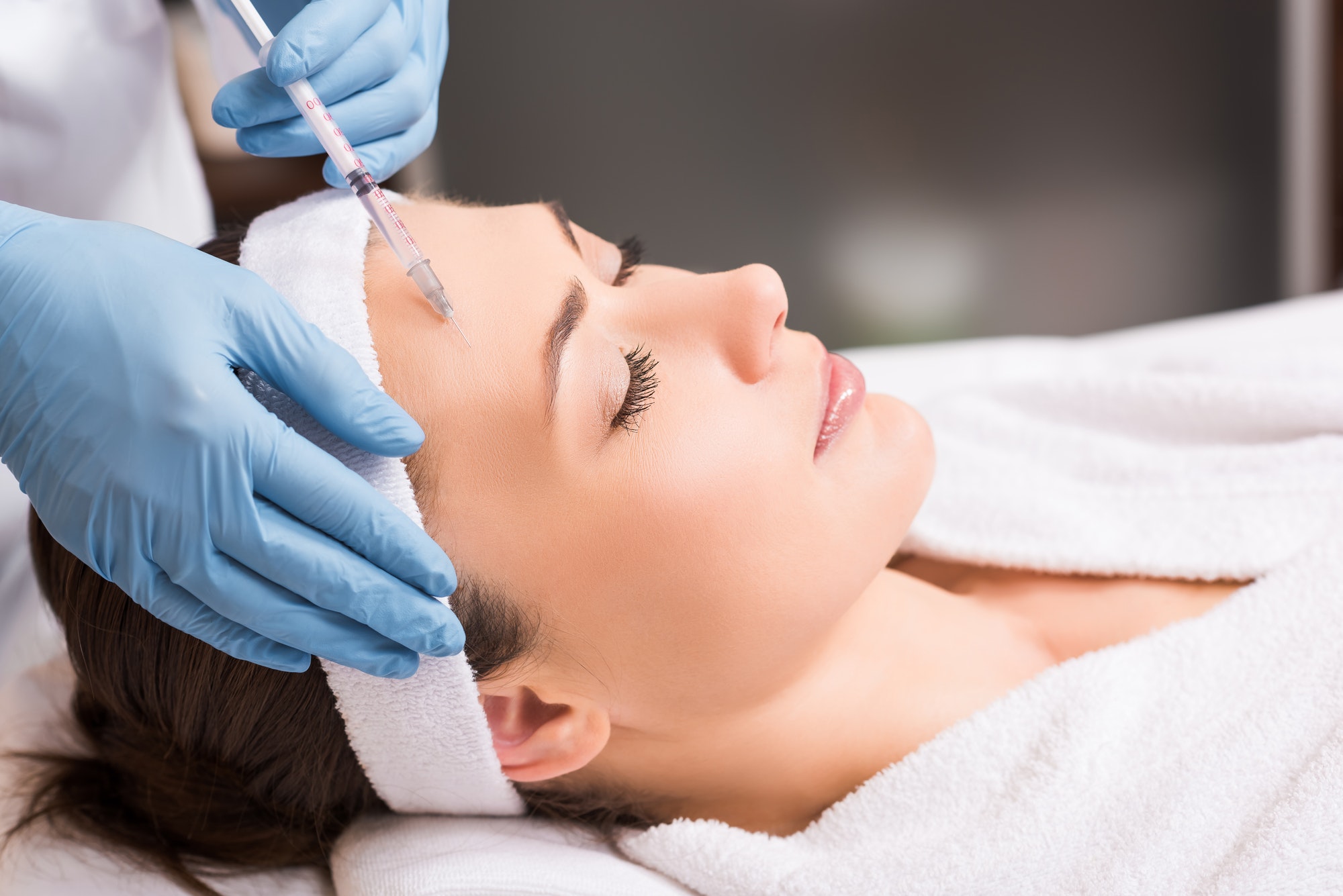
Most injections offered for chronic pain are designed to quiet inflammation. They can work well in the short term, but they do nothing to address the weakened ligament, worn tendon or irritated joint underneath, and repeated steroid use can gradually thin the very tissue you are trying to protect. Regenerative Injection Therapy takes the opposite approach: it aims to stimulate repair rather than suppress the signal.
At Le Rêve, this is an umbrella of image guided treatments including prolotherapy, platelet rich plasma and other biologic injections. Which one you receive depends on your diagnosis, your imaging and how your tissue has responded to treatment so far.
- Non surgical treatment
- Steroid free option
- Targets the root cause
- Ultrasound guided
- Return to work quickly
- Personalised protocol


What Regenerative Injection Therapy Can Address
This approach suits pain that has become chronic, where the tissue has stopped healing properly rather than being acutely injured. Ligaments and tendons have limited blood supply, which is why a sprain from three years ago can still ache today. Regenerative injections work by delivering repair signals directly into that poorly supplied tissue.
Commonly treated: chronic tendonitis, tennis and golfer's elbow, rotator cuff irritation, plantar fasciitis, knee and hip osteoarthritis, sacroiliac joint instability, and lingering ligament sprains.
Diagnose Precisely
We review your imaging and examine the joint under ultrasound to identify the actual pain generator, rather than treating the general area where it hurts.
Match The Therapy
Prolotherapy, PRP or a biologic concentrate is selected based on tissue type, severity and your history. The protocol is built around your case, not a fixed package.
Build In Stages
Most patients receive a short series of injections spaced weeks apart, allowing repair to progress between sessions while we track your functional response.
Frequently asked questions
. A cortisone injection reduces inflammation and often relieves pain quickly, but the effect fades and repeated injections can weaken tendon and cartilage over time. Regenerative injections work more slowly and aim to strengthen the tissue itself. Many patients come to us specifically because cortisone has stopped helping.
The injection site is numbed first. It is normal to feel increased soreness and stiffness for two to five days afterwards, because the treatment deliberately triggers a healing response. Most people return to desk work the next day. We will ask you to avoid anti inflammatory medication during recovery, as it works against the process.
It depends on the tissue and how long the problem has been present. Many patients do well with two to four sessions spaced three to six weeks apart. Chronic, long standing cases sometimes need more. Your physician will give you a realistic estimate at consultation rather than after you have committed.
Coverage for regenerative injections is limited and varies by plan and by specific treatment. Our team will walk you through current pricing and what documentation your insurer may accept before you schedule anything, so there are no surprises.
Many patients explore regenerative options precisely because they want to avoid or postpone surgery. It is worth a consultation. That said, some conditions genuinely need surgical repair, and if your imaging shows that, we will tell you rather than sell you a treatment that will not help.